Showing posts with label Social Media Management. Show all posts

Tuesday, 30 July 2019

The No B.S. Guide to Growing Your Facebook Reach Organically in 2019


Psst – I’m going to let you in on a little secret. Facebook marketing isn’t dead.
Gasp.
You’ve probably heard a lot of doom and gloom recently about Facebook’s prospects. Ominous “facts” about the younger generation shrinking on the platform, and an increasingly inactive user base.
You might even be forgiven to think that Facebook is going down the way of a particularly famous MyPredecessor.
Well, don’t sweat it – as always, the press is just doing their job, and the reality couldn’t be further from the truth.
Nearly 3 billion people are using Facebook as of a few months ago – that’s almost half our global population. And while activity in North America has certainly seen some shrinkage in the last few years, it’s little more than a pittance – especially considering nearly 90% of Facebook’s user base is outside of North America.
So, no – Facebook marketing isn’t going anywhere. Especially when you consider how deeply coupled Instagram is to Facebook – and let’s face it, with the precipitous decline of Snap, Instagram is the king of social.
So, now that we’ve dealt with the doom and gloom nonsense, let’s get to the meat of this article: how do you (organically) grow your Facebook marketing presence in 2019?
As it turns out, the strategies that worked a few years ago don’t seem to hold as well nowadays. Let’s find out why, and what you can do instead.

The Problem: Declining Reach

The average organic reach of a brand on Facebook has precipitously declined in the last few years – in fact, it’s dropped nearly 200% in the last 2-3 years. The tinfoil-hatted among us will of course quickly point to Facebook’s supposed lowering engagement (see: doom-and-gloom myth-busting above), or the more cynical crowd might suggest Facebook is throttling organic in favor of paid promotions.
Neither of these appear to be the case.


[ Image Source: https://unsplash.com/photos/tnxRFtXI9dI ]
As I’ve described already, Facebook’s “per-capita activity” may be seeing slight shrinkage, but it’s volumes continue to rise. And the conspiracy of Facebook’s shift towards paid, well….although something similar is probably happening, there certainly isn’t any objective proof you can point to.
The answer, as our old friend Occam would probably be fond of, is much simpler than either of those: there’s just a lot more competition. There are tens of millions of business pages competing for space on Facebook – that’s an order of magnitude more than it was just 5 years ago.
So the “problem” of the old techniques isn’t in the techniques at all – it’s just in execution. If you want to stand out from the field and make organic work, you just have to be better.
Rough, I know.

Unconventional Ideas Win Facebook Marketing



[ Image Source: https://images.unsplash.com/photo-1532700918736-e42b0e45d39e?ixlib=rb-1.2.1&q=85&fm=jpg&crop=entropy&cs=srgb&dl=ali-yahya-755909-unsplash.jpg ]
Social media is an incredibly young discipline, yet most organizations treat it like its the study of arithmetic. The “rules” that you’re taught were barely invented 4 years ago – it’s crucial in this day and age to start breaking them.
For starters, one of the biggest mistakes companies make is focusing on ancient demographic personas. If you’re constantly chasing the same demographics that your organization has been chasing for decades, just now doing it online, how can you expect to stand out from the field?
In fact – it’s becoming increasingly clear that the access granted by social media is opening up brands to demographics they didn’t even know they had.
Consider the 2015 super bowl, one of the most memorable in recent history. Guess what the top 3 most engaged demographics on Facebook were for the event?
  1. Women, ages 25-34
  2. Women, ages 35-44
  3. Women, ages 18-24
Surprised?
So while 99% of companies did what they always do, and marketed their Superbowl social presence towards middle-aged men, the smartest brands went after young women and scored big.
Here’s another example: peak times.
For ages, the common convention has been to post during peak hours. It’s an idea that’s a relic of the advertising age – after all, you wouldn’t want to run TV ads on the 2 am slot, right?
Well, as it turns out, the same idea doesn’t really hold on social media. Part of it is just sheer volume – the 2 am social media volume is bigger than even primetime TV, and the “peak hours” on social media are so ridiculously competitive it’s nearly impossible to find a niche
Consider Jon Loomer (Facebook master extraordinaire) results from an experiment posting in peak hours vs. the midnight shift:
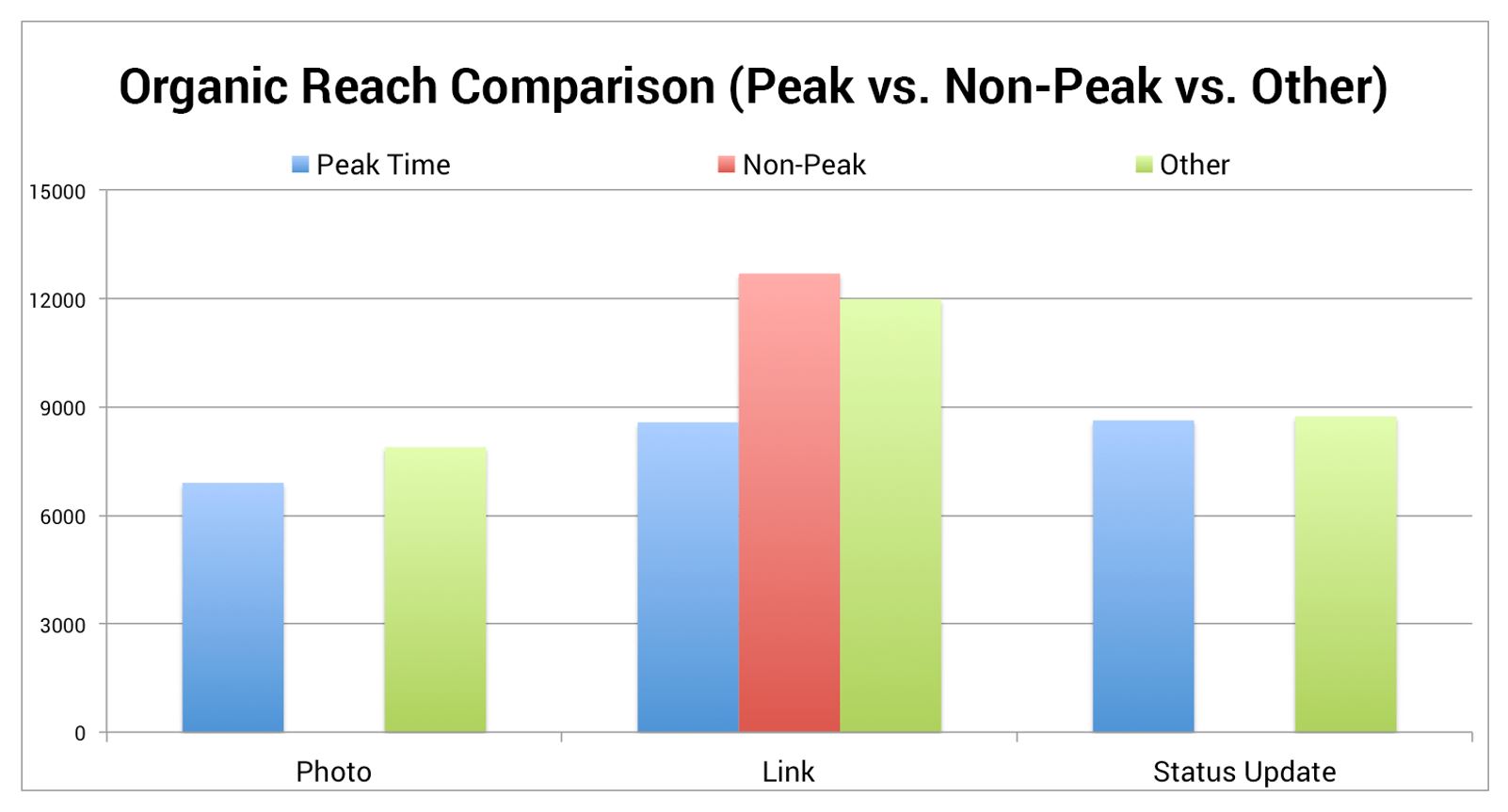

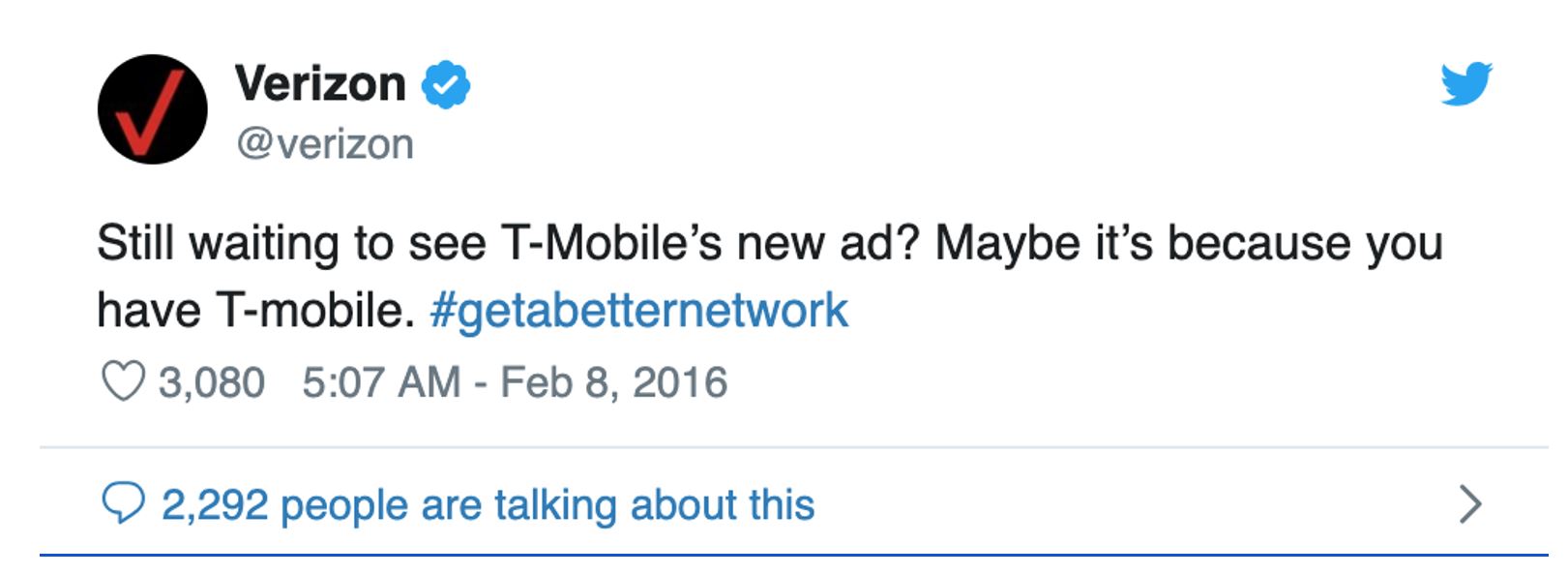
Brands that learn to play risky (and hire people that are good at taking those risks… I’m looking at you, Subway), tend to win out. Consider the rise of brand-on-brand violence on social media – these oddly satisfying & transparent tweets against competitors generate some of the most social engagement on the internet:

The rules for social media are still in their infancy. If you’re following the same rules as everyone else, how can you expect to get different results?
Something something insanity, yadda yadda.

Social media scheduling is king

There was a weird lull the last few years where it seemed people were starting to sour on social media scheduling tools. A bigger push was made towards higher-quality, bespoke content and getting away from “automation” because it “didn’t work”.
There are 2 salient points we need to make here:
  • Social media automation doesn’t mean avoiding high-quality content…. It simply frees you of the time required to organize & share the more rudimentary day-to-day content, so you can focus on the killer stuff (like Superbowl memes!)
  • Quantity matters – now more than ever
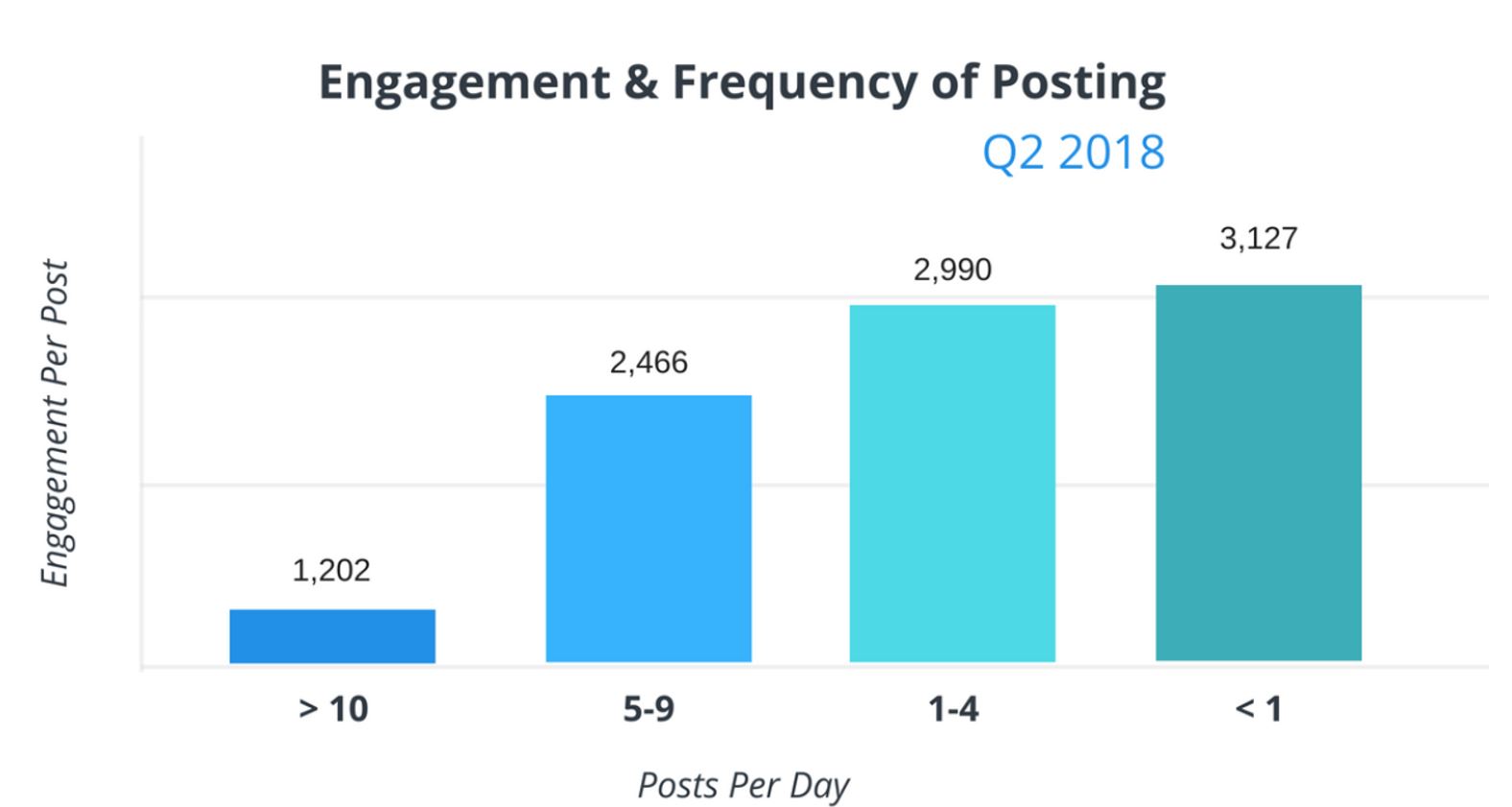
Gone are the days where a few posts a week are enough to keep the tides moving. Now more than ever you need a constant flow of contact to keep engagement levels up – the average post is visible on the social sphere for a matter of minutes. It’s like swimming – you have to keep pedaling, or you’ll sink.
(Or, some other less morbid analogy)

[ Image Source: https://buffer.com/resources/facebook-marketing-strategy#page-posting ]
According to the numbers, you should be posting 5-10 times a day to maximize engagement on your accounts. And here’s the kicker: that number is increasing every quarter. Seriously.
I know it sounds awful, but you really need to throw a lot of things at the wall for anything to stick. That’s the nature of social media nowadays – it’s a giant sea of noise, and only little bits and pieces will crack their way in.
So, in 2019 what scheduler should you be using to maximize your throughput? Well, you’ve got a few options.
  1. Buffer – Ye old reliable. Buffer hasn’t added much in the last few years, mostly because they haven’t had to – they continue to be the leading choice for a simple scheduler, without the frills and fuss. It’s occasionally harder to get the volumes you need on Buffer, simply because there’s a fair bit of manual work included in the scheduling – however, it’s hard to beat Buffer in terms of user experience and reliability. 
  2. CoSchedule – CoSchedule has become quite popular in the last few years, for good reason. It’s probably the best choice in the menu if you’re looking for a place to run all of your content through – the scheduling part of it is a rather small aspect. So, you won’t necessarily get the control you need to maximize social, but you’ll get a bird’s eye view and control of everything in one deck. 
  3. Drumup – It’s a bit of a shameless plug, but hey, we wouldn’t be in business if we didn’t exist on this list. DrumUp is your best option on the list to hit the volumes above because of it’s repeating scheduler and general automation tools. If you’re looking to set-and-forget it’s definitely the best option on the list, particularly if you’re looking to automate the content creation bit (which we’d recommend – it’s always better when content and social are nice and synchronized)

Facebook Marketing in 2019: Not For The Faint Hearted

The challenge of Facebook marketing is not that it’s becoming more competitive, or that it requires that extra touch – it’s because it’s so damn tantalizing.
For all it’s faults, Facebook continues to be the entry point for audiences engaging with and buying brands – particularly brick and mortar ones. It’s still essential to maintain a strong presence, and the rewards are unthinkable for those who actually crack it – the ceiling of high Facebook engagement is still much higher than Twitter or Instagram.
The key to organic Facebook marketing always boils down to what nobody wants to hear – the fundamentals. The fact is, there aren’t any tricks or hacks that’ll get you to organic growth. You need to make a lot of great posts, understand your audience and respond to them, and really deliver on quality.
Easy, right? Get to work.

[ Image Source: https://unsplash.com/photos/OwvRB-M3GwE ]
Source

Thursday, 19 July 2018

What’s the Ideal Social Media Post Length?


Social media post length is a definitive factor is deciding the impact of your social media content on its viewers. Any post that is wordsmithed to fit character limits will fully display your social media content to your fans, without obscuring any information. And that is integral to earning social media engagement. With the knowledge of ideal post lengths (mentioned below) and a reliable social media management tool, you can post optimized social media posts consistently.
This blog post is a curation of research concerning post length on various social networks. Let’s begin with the biggest and most popular social media platform – Facebook.
Note – This post discusses 2 numbers –
1. The ideal length of social media posts (recommended for optimum engagement), and
2. The maximum character limits that different social platforms allow
 
Screenshot 2018-06-05 13.34.45

The ideal Facebook post length

There are different types of posts that you can publish on Facebook – organic, paid and video. Each of those types has its own layout on Facebook and ideal post length. Here’s a short summary of posts types and their optimal lengths.
Organic posts – Between 40 and 80 characters. According to MarketingProfs, Facebook posts that are under 40 characters get 86% engagement. Jeff Bullas corroborates that research but extends the ideal character limit by stating that Facebook posts with 80 characters or less get 88% more engagement.
Paid posts – Paid posts can be broken down into a headline, a body and a link description. Here are the ideal lengths for each of those elements, according to an Adespresso study.
Ideal length of Facebook ads
  • Headline – 5 words
  • Text – 14 words
  • Link description – 18 words
Facebook paid posts are about taking action, which is why it’s natural for copywriters to craft shorter headlines and descriptions. However, you should pay attention to copy on organic posts as well, keeping them crisp and action-prompting where possible.
If you’d like to learn more about copywriting for social media posts, here’s a useful read – 3 Secrets of Top Copywriters That Can Transform Your Content Marketing.
Facebook Character Limits or Maximum Character Lengths
If you wished to, you could publish a Facebook status that was 63,206 characters long! But that length is far from ideal. Here are a few other maximum character lengths that are noteworthy.
  • Facebook username character limit – 50 characters
  • Facebook Page Description – 155 Characters
  • Facebook Comments – 8,000 Characters


Facebook image ads –
  • Headline – 40 characters
  • Text – 90 characters
  • Link description – 20 characters


Facebook canvas ads –
  • Text – 500 characters
  • Button Text – 30 characters


Facebook lead generation ads –
  • Context card headline – 45 characters
  • Benefits text – 5 bullets with 80 characters each
  • Button text – 25 characters
  • Custom question text – 50 characters
  • Privacy policy link text – 100 characters
  • Custom disclaimer title – 60 characters


Facebook collection ads –
  • Headline – 25 characters

The ideal length of Facebook Videos 
Facebook support video upload of upto 120 minutes, but it’s advisable to steer clear from publishing anything that long unless it’s a Facebook exclusive feature film. 44% of 30-60 sec videos are viewed completely, according to a study conducted by Kinetic Social. Plus, 33% Facebook users prefer shorter videos that are between 30-50 secs long.
The ideal length of Facebook video ads –
  • Text – 90 characters
  • Headline – 25 characters
  • Link description – 30 characters
 
Screenshot 2018-06-05 13.37.46

The ideal Twitter post length

In 2017, Twitter increase the character limit of tweets to 280 characters. Since then, Twitterati have become more active on the social network claims product manager Aliza Rosen. This is probably because 280 characters allows more room for Twitter users to share their thoughts. But this added space doesn’t mean that other Twitter users want to see longer tweets.
According to a study conducted by Buddy Media, the ideal tweet is less than a 100 characters long. The study finds that such tweets receive 17% more engagement. So yet again, shorter content is better received by social media users. This is partly because shorter tweets are easier to read and comprehend, but also because shorter tweets give retweeters extra room to add their thoughts.
The ideal hashtag length
According to Vanessa Doctor from hashtag.org, hashtags that are 6 characters or one word long perform better. Once again, comprehension is the concern. Hashtags don’t allow spaces and exceptionally long hashtags are hard to read and comprehend.
Twitter character limits or maximum character length for Twitter posts
  • Tweets – 280 characters
  • DMs (Direct Messages) – 10,000 characters
  • Handle – 15 characters
  • Profile name – 20 characters


In short, concise content performs better on Twitter. Note that the character limits for Twitter have been extended to allow more content, but that doesn’t necessarily mean that longform content will ever be well received on the microblogging social network.
Screenshot 2018-06-05 13.39.40

The ideal LinkedIn post length

At 500 million users and 10 million job postings, LinkedIn is a fairly noisy social media platform. As the social network grows its user base, social media marketers will find it tougher to earn organic attention via LinkedIn posts. Marketers should continue to optimize the quality, timing and delivery of LinkedIn posts so they can make the most of their brand’s LinkedIn presence.
There isn’t much research on ideal length of LinkedIn posts, so we have to rely on how posts appear on LinkedIn to decide ideal post length. For instance, if your LinkedIn status update is longer than a 100 characters, the excess text gets cut off and a Show More button appears. So it makes sense to keep your LinkedIn status updates under a 100 characters or 25 words.
  • LinkedIn status update – 50-100 characters ( organic and paid)
  • LinkedIn post titles – 40-49 characters (according to OkDork)
  • Number of images – 8 (Source – OkDork)
  • LinkedIn articles – 1900 to 2000 words (Source – OkDork)
  • Article subheads – 5 per post (Source – OkDork)
  • LinkedIn videos – under 30 seconds (Source – LinkedIn)


LinkedIn character limits or maximum character length for LinkedIn posts
  • LinkedIn Publishing post headline – 150 characters
  • LinkedIn Publishing content length ~ 120,000 characters *
  • Company update – 700 characters
  • Company name – 100 characters
  • About us (Summary) – 2,000 characters
  • Page name – 50 characters
  • Company leaders headline – 150 characters
  • Company leaders description – 150 characters
  • Employee testimonials – 400 characters
  • Custom module title – 150 characters
  • Custom module body – 500 characters
  • Custom module URL label – 70 characters
  • First name – 20 characters
  • Last name – 40 characters
  • Recommendation – 3,000 characters


* As per SproutSocial’s experiment, LinkedIn cuts you off once you reach 120,000 characters on LinkedIn articles.
Screenshot 2018-06-05 13.41.11

The ideal Instagram post length

Unlike the other social networks on this post, Instagram was built to promote visual content. However, the right combination of words and hashtags can help your Instagram posts maximum engagement, which can earn them the top position on users’ feeds.
  • Instagram captions – 138 -150 characters
  • Instagram ad captions – 125 characters
  • Number of hashtags for captions – 5 -10


However, it’s not a great idea to add irrelevant hashtags to your posts, just to increase its visibility. That may result in your shadowban on the social network. According to TrackMaven, posts with exactly 9 hashtags receive the most engagement.
  • Number of characters in a hashtag – 24 or less

If you notice the captions added by top brands on Instagram, you’ll notice that most captions run short. Most captions that perform well also create context, showcase the brand and prompt viewers to take action.
Instagram character limits or maximum character length for Instagram posts
  • Instagram caption – 2,200 characters
  • Bio – 150 characters
  • Username – 30 characters


Wrap
Social media post length is an important factor in deciding your social media engagement. WIth an optimally worded social media post, you can make an impact on your target audience on different social media platforms. Use the info shared on this post to decide what lengths of captions and post descriptions to incorporate in your social media content.


Tuesday, 3 July 2018

How to Simplify Social Media Ad Creation


For most organizations, social media marketing is an important piece of the overall strategy.

For good reason, too. The audience on these platforms is extremely active – and it’s constantly growing. Some data shows that by 2018, we can expect to see as many as 2.5 billion social media users around the world.


And while there’s a large audience here, for many marketers, the obstacle is getting content in front of the right audiences. Thanks to algorithms that limit who sees what content and when they are now turning to advertising on social media to specifically target their ideal customers.
Let’s take a deeper look at the growing adoption of social media ads, as well as some of the common obstacles and problem-solving tools being used to get the most out of it.

The Rise of Social Media Advertising


Last year, companies spent more than $24 billion on ads in spaces like Facebook, Instagram, YouTube, and Twitter. And this spending is only expected to grow. According to eMarketer, in 2017, analysts predict a 26.3% global increase on spending for social media ads.
Why? A couple of important reasons:
For one thing, they’re battling decreased organic reach. On platforms like Facebook, Instagram, and Twitter where reach of posts is limited by a company algorithm, organic exposure is at an all-time low. In order for companies to get their messages in front of the right people, they’re paying for more targeted ads on these platforms.
Then there’s the simple fact that advertising here works. As more companies see positive results from their ads (think boosted website traffic, higher sales, more customer engagement), they’re investing more in these channels. On Facebook alone, ad spending increased 50% from 2015 to 2016…which means companies must be seeing strong results.
So while social media advertising is producing impressive results, many marketers are facing the same point of struggle when it comes to advertising (and content creation in general) in these spaces: Graphic design. 

Graphic Design & Social Media


Social Media Examiner tells us that 74% of social media marketers use visual assets in their social media marketing. Why? Because Facebook posts with images see 2.3X more engagement than those without images – making a pretty strong case for using visuals.


But there’s a problem: Designing these images can be difficult. And without Photoshop skills or a graphic design degree, many marketers are having to hire graphic design help to create post-worthy graphics on a regular basis. It’s just one more expense on top of advertising that cuts into the company’s ROI.
When it comes down to it, difficult and expensive is not what we’re all about… so that is why we created our own solution – Social Studio FX.
Social Studio FX is an all-in-one, social media graphics tool that puts creative control directly in your hands. Using this tool, there’s no need for hiring a freelance designer, learning Photoshop, spending $100-$500 per design, waiting for designs, working through editing processes, and not being able to fully communicate your vision.
With this easy-to-use toolkit, marketers are finally able to design, create, and share the exact social media images they need. And with more than 180 fonts and 8,000 royalty-free graphics, this tool can help save time and money. From ads to everyday posts, this tool is helping make graphic design simpler than ever before.

How it Works

With this social media design toolkit, there’s no guesswork…just three simple steps:

1. Select a design/start from scratch

Browse the library of more than 13,200 templates and designs from 23 niche categories, or pick from over 200 done-for-you templates and 66 pre-sized social media layouts.

2. Customize your design

Using simple drag and drop tools, you can customize your content in a few simple clicks.

3. Download and publish


Once your design is complete, just download the material in PNG, JPEG, PDF, or TIFF format and use it on your preferred social media platform.
Simple, right? This tool is already being used by social media managers, affiliate marketers, bloggers, and ecommerce store owners alike because it’s cloud-based, powerful, and professional–and doesn’t require hours of initial training. In minutes, you can design high quality graphics for social media that can be launched right away.


Social Media Marketing: Don’t Let Graphic Design Over-Complicate


With Social Studio FX, you too can start getting the most out of your social media marketing presence without spending a fortune on graphic design help. Get empowered to take control of own design work and make your advertising and posting efforts look and feel the way they do in your mind. In no time at all, you’ll be creating ads and connecting with the engaged audience in spaces like Twitter, Facebook, and beyond with beautiful, professional visuals that are seen and shared.
Speaking of engagement, please take a moment to like, share and comment below. We’d love to know how you simplify your own social media ad creation!

Friday, 11 May 2018

7 Tried & Tested Content Marketing Ideas for eCommerce Businesses to Try Now


According to a recent study, 81% of shoppers conduct research online before making a purchase. It’s no wonder that eCommerce businesses are focused on attracting the attention of such customers via content marketing on various online marketing channels. You’re probably an eCommerce business yourself or an agency in charge of creating content for one.
If you are either, you probably know how hard it is to create content that works and helps you achieve your goals. This post describes 7 content marketing ideas that have worked for other eCommerce businesses for you to try.
Note: [4 out of 7] of these ideas are easier to execute with the help of a social media management and employee advocacy platform like DrumUp.

1. Find artistic social media ambassadors

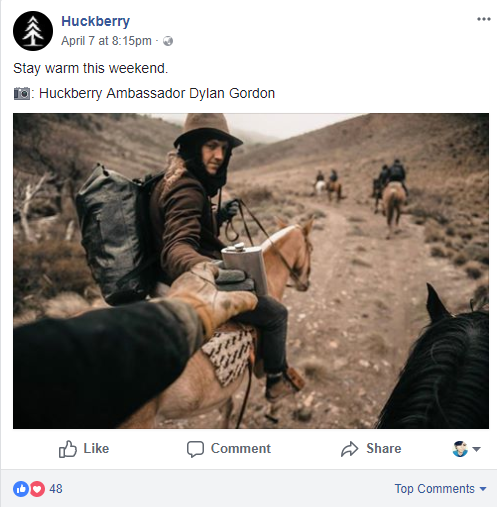
What you create/curate visually will decide how successful you are on the internet. However, creating visually stunning social media content can be an expensive affair, which is where UGC comes in. Visually inclined social media ambassadors can help you create great content and market it via engaged social media channels.
Check out how Huckberry utilizes it’s ambassador generated social media content.
1

2. Create How-to or DIY videos featuring products

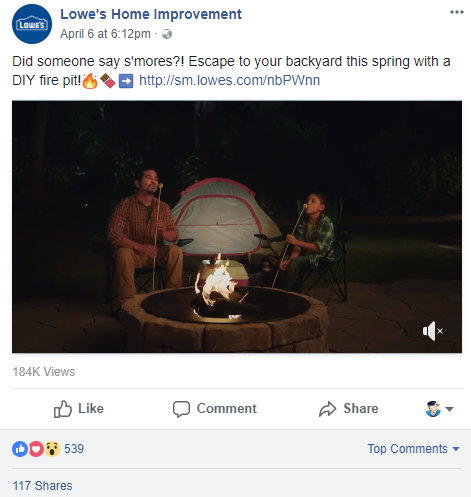
Instead of simply displaying your products, try and create use-cases for them within your content. The best ways to do this is through How-to and DIY videos that not only feature your products but also describe the best way to use them. How-to videos are great for complex products that typically need guides or manuals and DIY videos are great for products that have multiple use-cases.
Check out how Lowes has created a DIY video around its DIY fireplace kit product.
3

3. Connect products to celebrities and trends

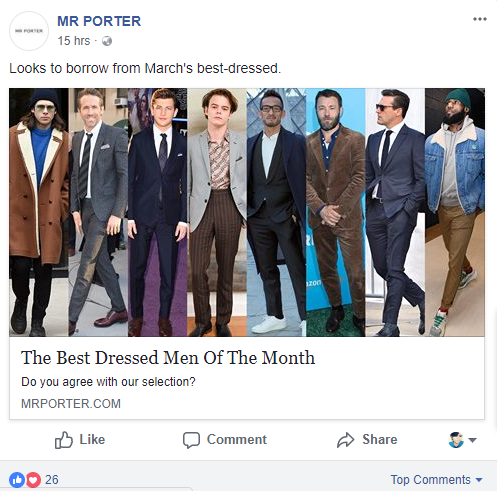
People are influenced by celebs’ style, food-habits and behaviors in general. eCommerce marketers can use this to their advantage by connecting products to current trends and what celebrities are doing/wearing. To implement this strategy, you first have to identify which celebrities you target groups follow and then follow them to identify occurrences to use in your marketing.
Here’s how Mr Porter connects its products to celebrity lifestyles.
4

4. Share customer and employee stories

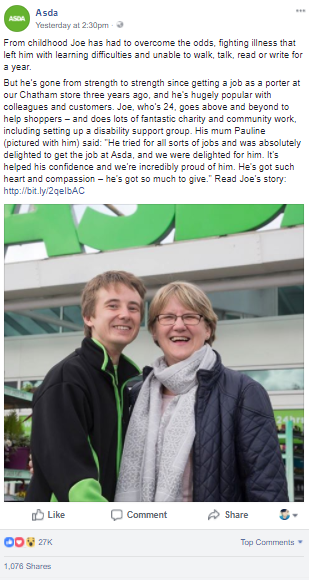
Stories are at the heart of social media. You can drastically improve customer engagement by increasing the incorporation of stories into your content marketing. Anything shared in story form – behind-the-scenes content, employee achievements and struggles, customers’ achievements and struggles – can go a long way in improving the results of your content marketing.
Check out the engagement on stories shared by Asda. Customers care about and connect with well-narrated stories.
5
Note: You can get more engagement and reach more of your target groups by getting employees to share your stories via DrumUp’s employee advocacy platform.

5. Display products and promotions via engaging GIFs/videos

Yet another creative way to share products and promotions is via engaging GIFs/videos. Creating GIFs/videos today isn’t much of a task, considering the availability of several easy-to-use GIF/video editing tools. The easiest way to incorporate GIFs/videos, however, is by curating them with the right caption and connecting them to your products/services. When doing so, ensure that you verify the license of the content that you wish to share.
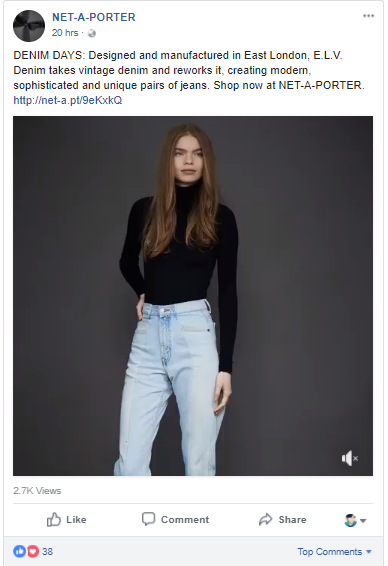
Here’s how Net-A-Porter incorporates GIFs into its content marketing.
6
Note: DrumUp lets you curate copyright free GIFs from GIPHY within the dashboard.

6. Curate relevant content from non-competing entities

Content curation not only saves you time and money but also helps you build relationships with marketing allies in your industry. Today, almost every entity on social media runs on collaborations. And you can create collaborations by curating the right content. All you have to do is ensure that you have the right permissions to share engaging content.
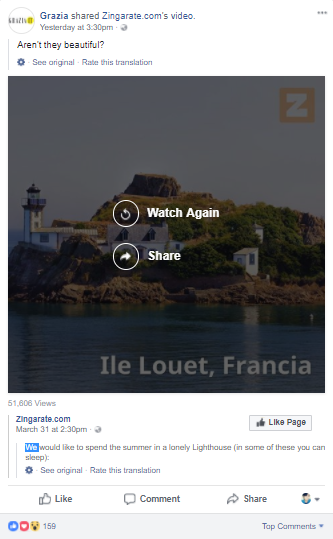
Here’s an example of Grazia sharing the right content (with attribution).
7
Note: DrumUp lets you set-up RSS feeds and keyword based content streams for content curation. The keyword based content streams come with @mention and #tags, making it easy for you to attribute content.

7. Get C-suite executives and employees involved

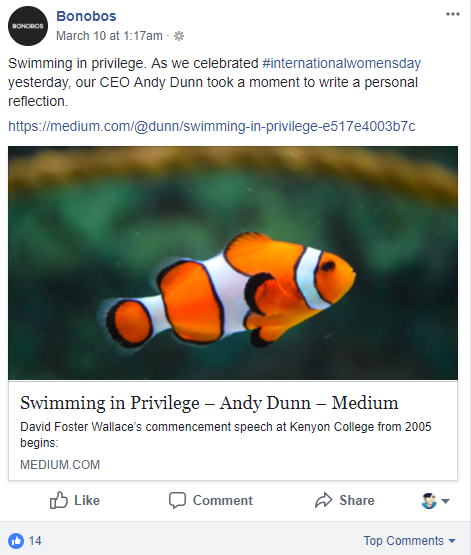
People connect most with people, which is why you need to get your C-suite executives and employees involved in content marketing. Organic reach when C-suite and executives and employees share will also be much higher than when you share, giving you extra reach and engagement. Employee advocacy is also said to increase conversions, retention and general customer engagement.
2
Note: With DrumUp’s employee advocacy platform, you can simplify content sharing with employees, gamify participating and track the impact of their shares.
Wrap
Content marketing is the smartest way for eCommerce companies to reach and influence their target groups on online marketing channels. With effective content marketing ideas, you can engage your audience and surpass your content marketing goals.
Featured image by Maykzz@freepik.com